by Admin on April 4, 2011
in Color,Design,Graphic Design,Illustration,Japan,Photography,Print making,Printing,Technique,Typography
Sawada, Yozo. Insatsu Taikan (Great Atlas of Printing). Unpaginated album. Sm. folio. Silk-covered boards, tie-bound. Osaka (Nihon Insatsu Kaisha) 1915. [46467]
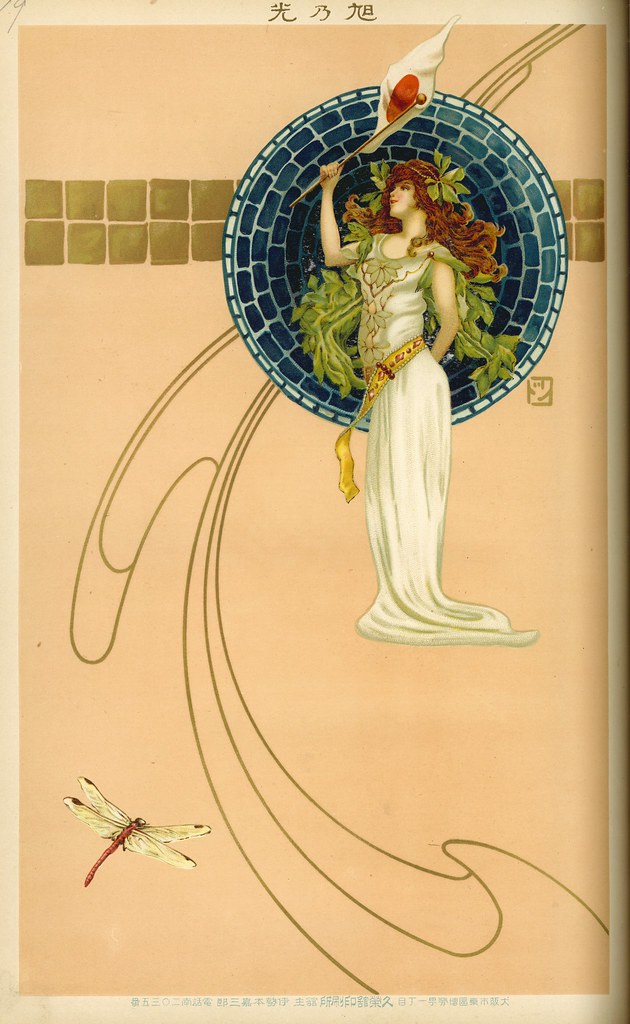
Following the death of his father, the Meiji Emperor, on July 30, 1912, Crown Prince Yoshihito ascended to the Chrysanthemum Throne of Japan to become the Taishō Emperor. After three years of Imperial preparations, Yoshihito’s public coronation took place in November of 1915. The leaders of industries which had thrived during the Meiji period of modernization wisely turned out to pay tribute to the young monarch. Proud of their accomplishments during his father’s reign, Japanese printers and publishers marked the occasion with lavish commemorative publications. Insatsu Taikan—the Great Atlas of Printing—showcases the remarkable quality and innovation of printing in Japan, ca. 1915.
[click to continue…]
Tagged as:
Great Atlas of Printing,
Insatsu Taikan
(Fabric weaving manuscript).- Felix, M. & J. Mercier. Cahier de Théorie 4e Année 3e. N.p. (Lyon?) n.d. (circa 1895). [44915]
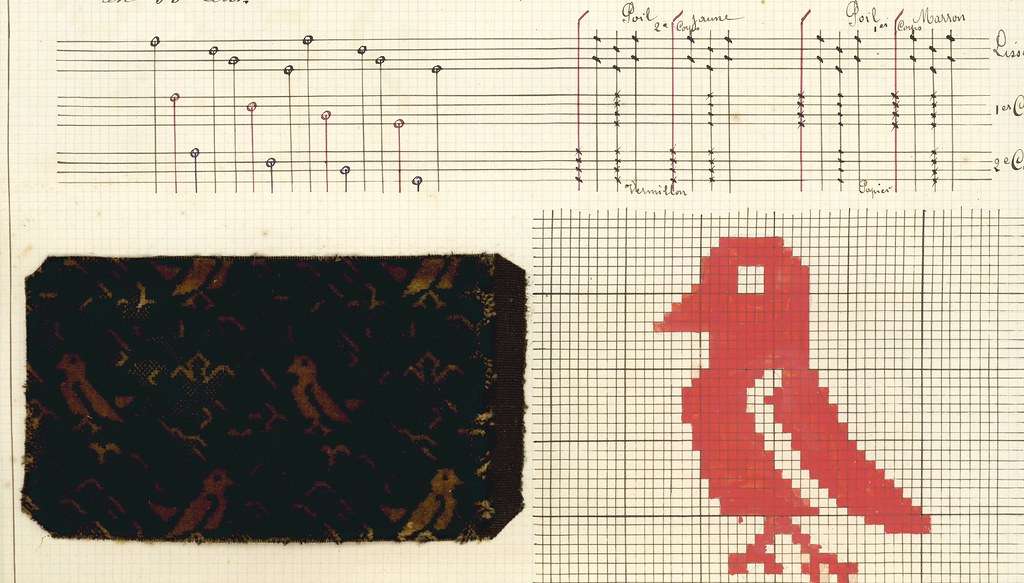
Though we know little about the person who composed it (“J. Mercier,” seemingly a student in the 4th-year class of one “Professeur M. Felix”), Cahier de Théorie 4e Année 3e offers a rich window into the world of industrial fabric design in turn-of-the-century Lyon—once a world capital of silk production.
[click to continue…]
Tagged as:
Damask,
Lyon,
Silk,
Textiles
Meier-Graefe, Julius. Felix Vallotton, Biographie: Des Kuenstlers nebst dem Wichtigsten teil seines Bisher Publicierten Werkes & Einer Anzahl Unedierter Originalplatten; De Cet Artiste avec la Partie la Plus Importante de son Oeuvre Editee et Differentes Gravures Originales & Nouvelles. Berlin/Paris (J. A. Stargardt/Edmond Sagot) n.d. (ca. 1898). Freitag 12821. [41835]
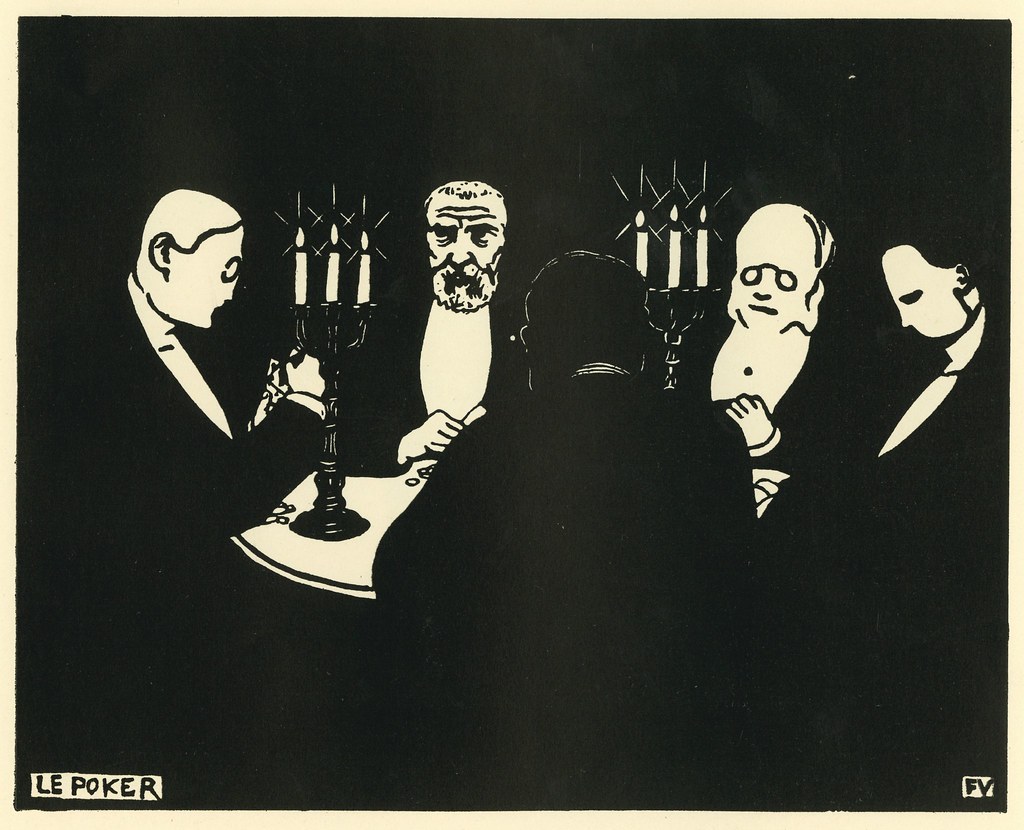
Painter, playwright, critic and man of society—Felix Vallotton applied his talents broadly. For a single decade at the end of the 19th-century, however, he enjoyed fame above all else as a print maker. Vallotton’s boldly reductive approach to the woodcut is credited by many art historians of his time (and ours) as having modernized and revitalized the form in Western art.
[click to continue…]
Tagged as:
Meier-Graefe,
Paris,
Vallotton,
Woodcuts
