In an introduction to the first issue of the Boston-based music magazine Frenzy, editor Robert Alan Colby wrote, “In increasing numbers, rock fans all over the world have had it with…so-called “rock” that doesn’t rock, and with the whole “superstar” set up and the jaded, bored multi-millionaires it’s elevated. They want something new…and to get what the music industry won’t give them, they’ve gone elsewhere, to little clubs and basement dives, to groups that still know what rock ‘n’ roll is supposed to be about.”
The period from the late 1970s through the early 1990s demonstrated a rise in regional music publications which showcased the growing local music scene in their hometowns as well as covering bigger mainstream names which were becoming popular nationwide. These music hot spots popped up from coast to coast, and music lovers and editors jumped on the bandwagon, creating a number of short-lived magazines which capitalized on the post-punk and rock and roll revolution taking place in the United States. Here at Bernett Rare Books, we currently have in our inventory quite a remarkable collection of these rare music and related pop culture magazines, which provide a sensational overview of the rock & roll and underground scene in late 20th century America.
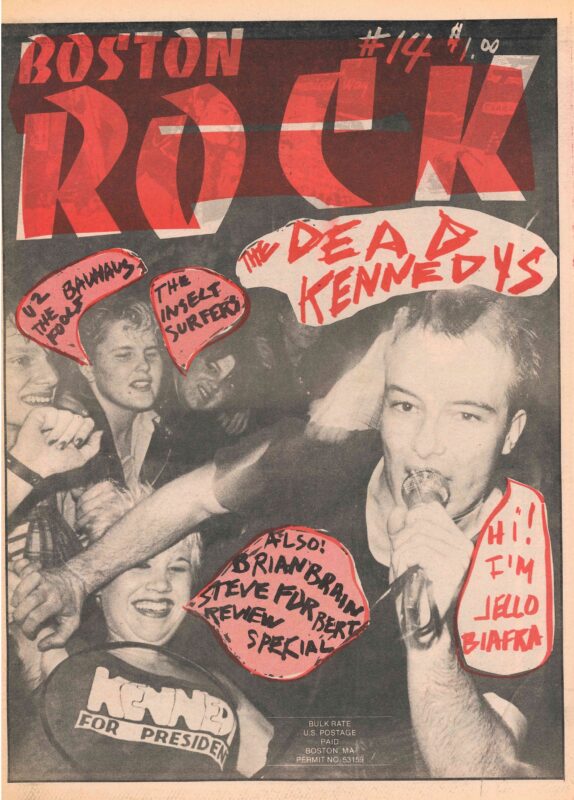
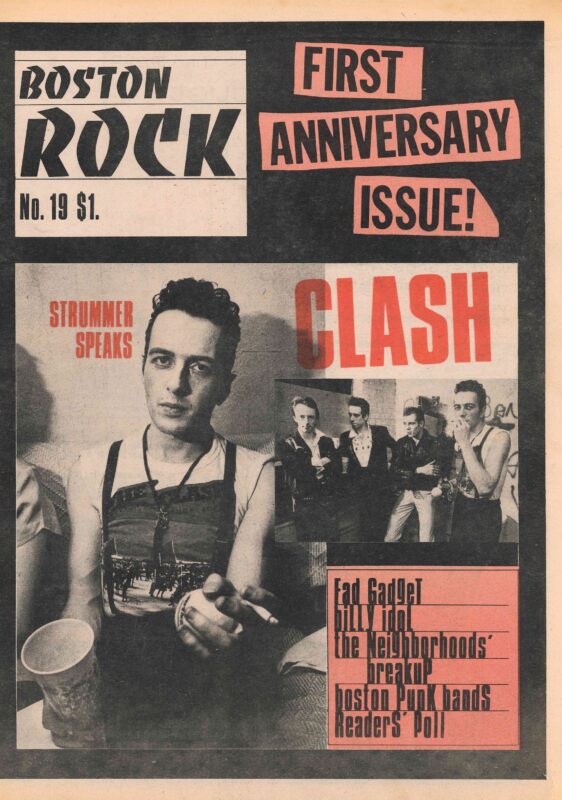
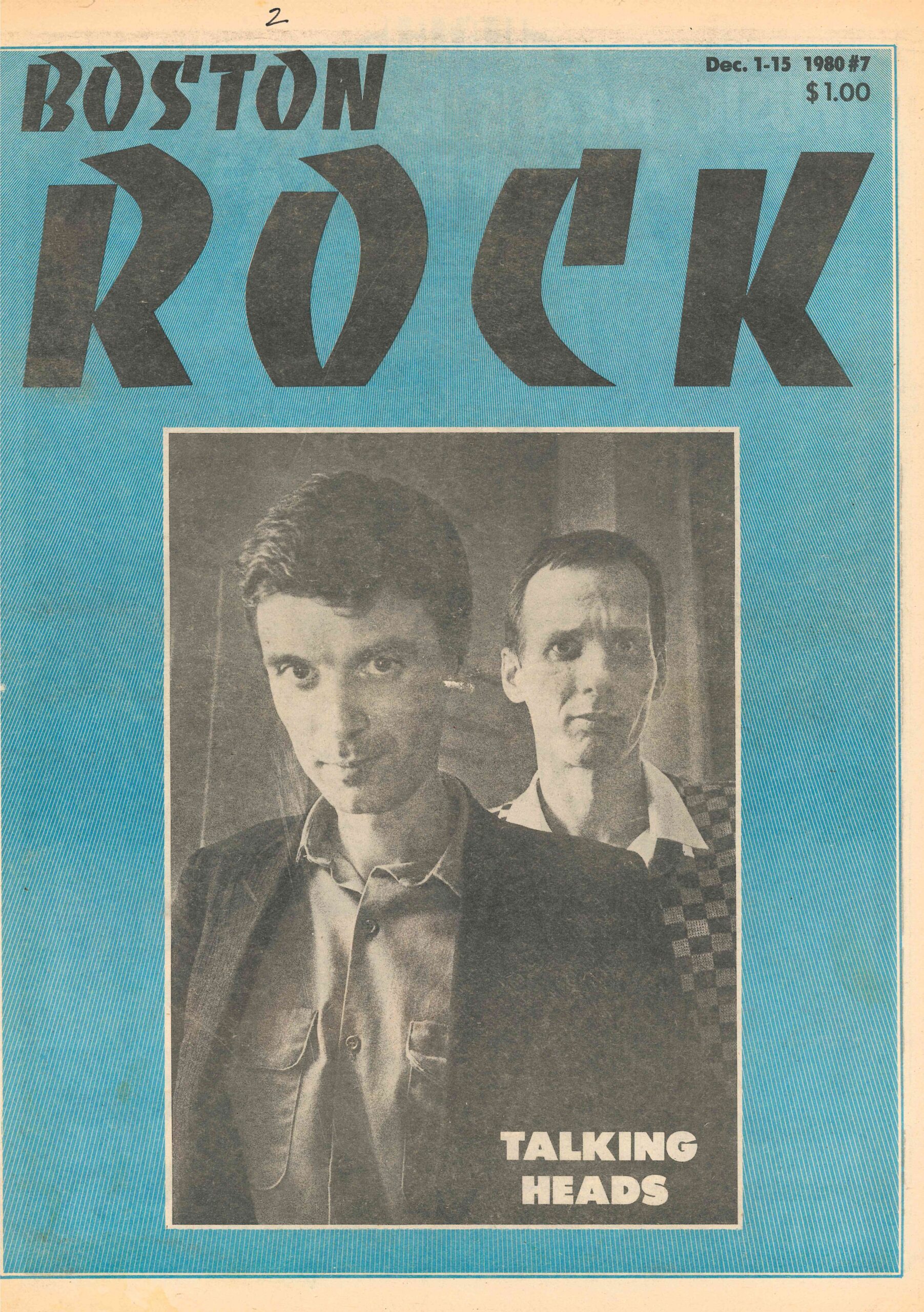
The first of these is Boston Rock, a seminal 1980s publication founded and published by Mike Dreese, the founder of Newbury Comics. He started the business in 1978 and began offering music when a friend brought him his record collection to sell. Newbury Comics quickly became one of the area’s leading record stores specializing in punk and new wave. In 1980, Dreese founded both Boston Rock magazine and Modern Method Records for local punk bands. The issues contained features and interviews alongside charts and reviews, covering a veritable who’s who of the local and wider punk and rock music scenes, including names such as The Ramones, The Cars, The B-52’s, Psychedelic Furs, the Stranglers, Talking Heads, Dead Kennedys, Elvis Costello, Sting and The Police, U2, Echo and the Bunnymen, The Clash, The Cramps, Human League, Iggy Pop, R.E.M., Peter Gabriel, The Who, Beastie Boys, Grandmaster Flash, and many others. (53425) $4,500
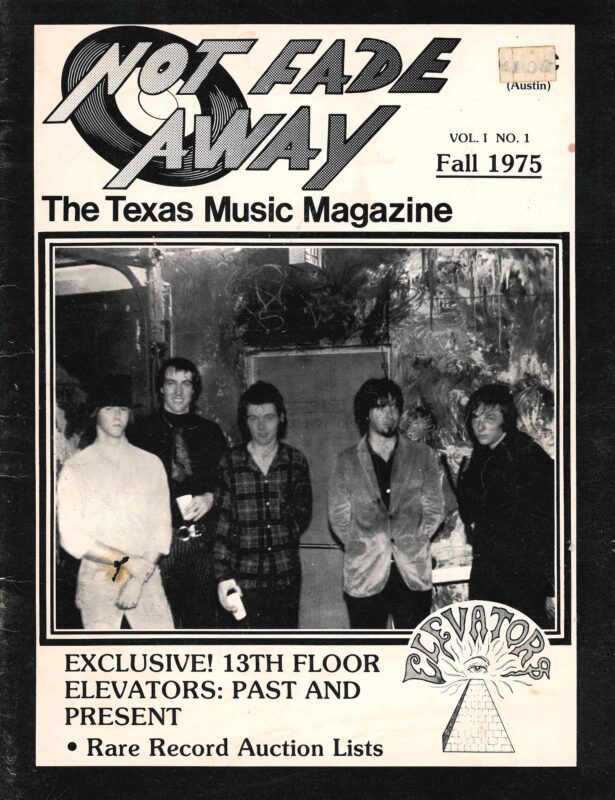
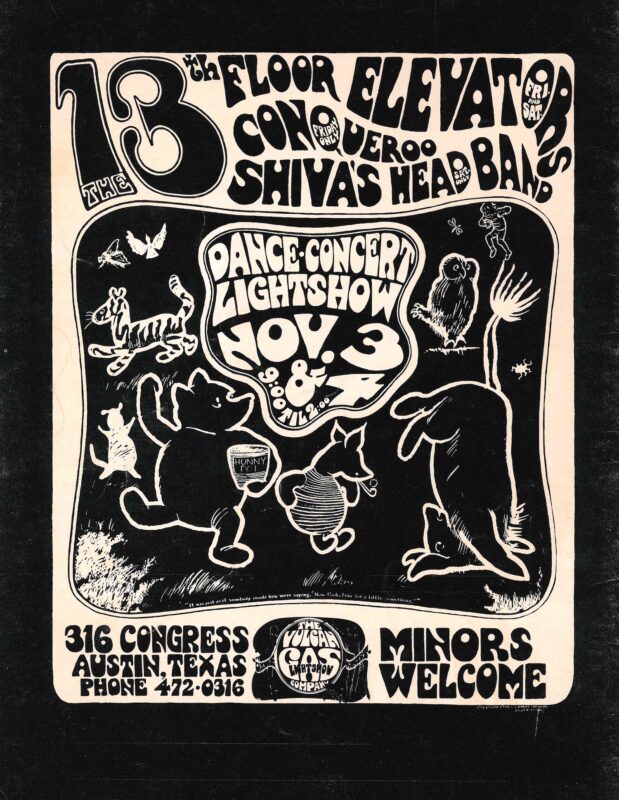
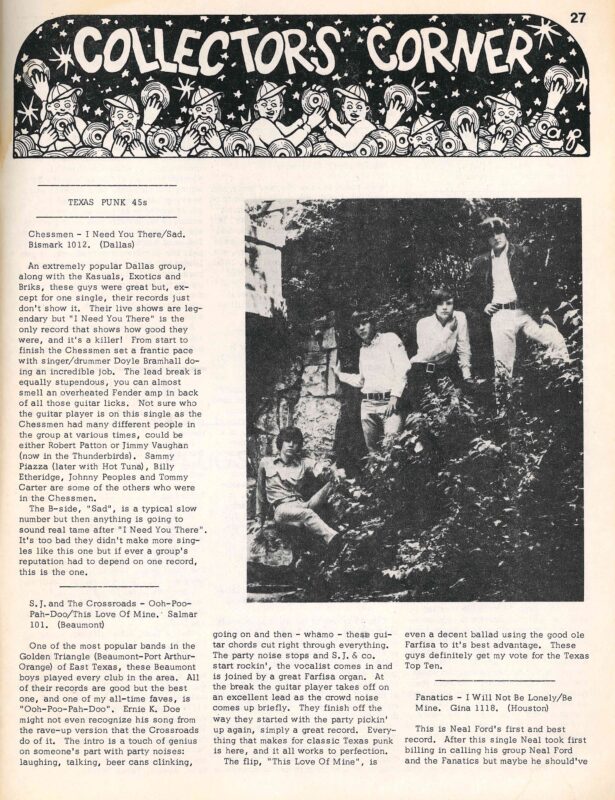 Next up is Not Fade Away, an irregularly-published (only 4 issues in 10 years!) music magazine out of Austin, Texas. The magazine was published by Doug Hanners, a record dealer who founded the Austin Record Convention and Texas Archive, a record label which reissued albums from mostly obscure Texas garage rock and rockabilly bands. The issues of Not Fade Away focused mainly on Texas-based punk and garage rock bands, such as the 13th Floor Elevators, Roky Erickson, Kenny and the Kasuals, Shiva’s Headband, Red Krayola, Mouse and the Traps, The Bad Seeds, The Reasons Why, Larry and the Blue Notes, Lost & Found, the Sparkles, and more. When the second issue came out long after the first, the editor’s note read, “Surprise! Thought you’d seen the last of NFA didn’t ‘cha? Well, for awhile we thought so too. I want to apologize to everyone who has been waiting for this issue and thank you for your patience. We didn’t plan to publish a fanzine every year or so but that’s the way it turned out….I had no idea Texas music was as popular as it is all over the world.” (53396) $1,500
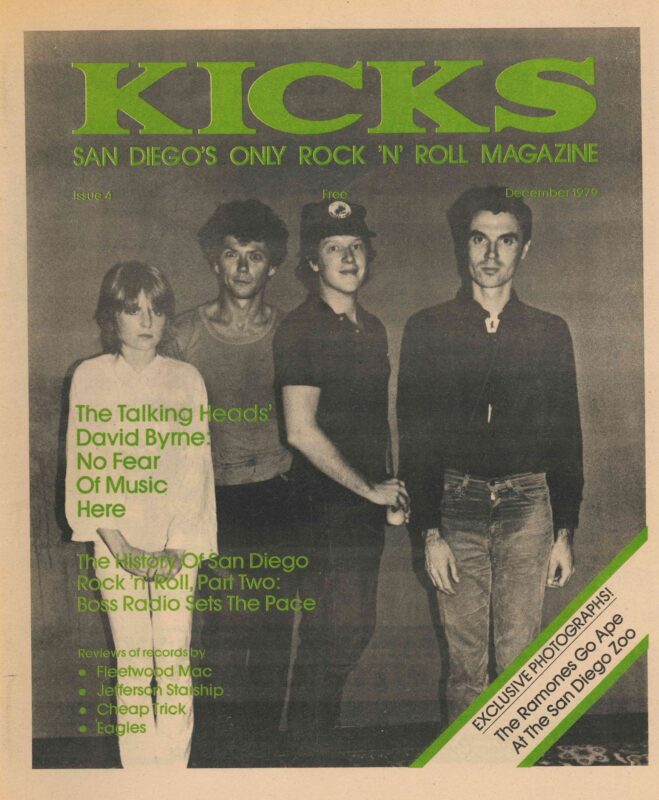
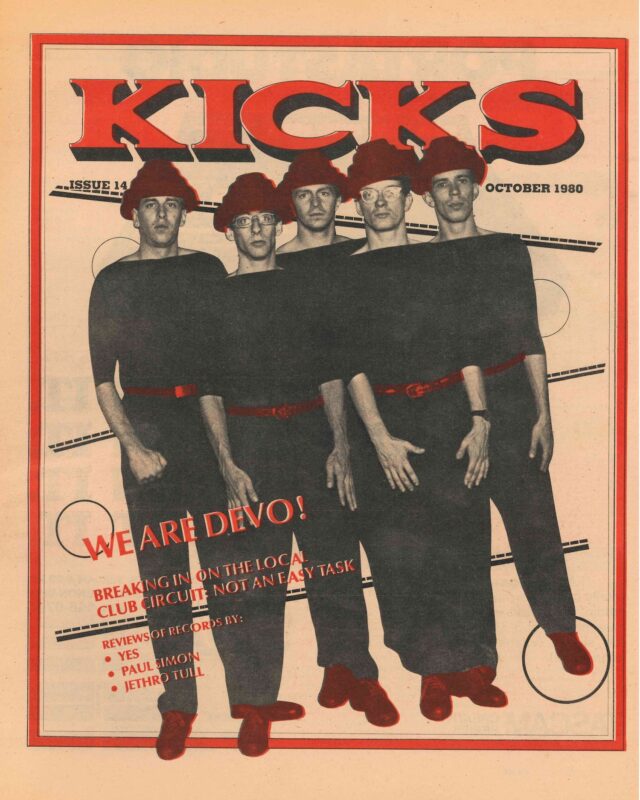
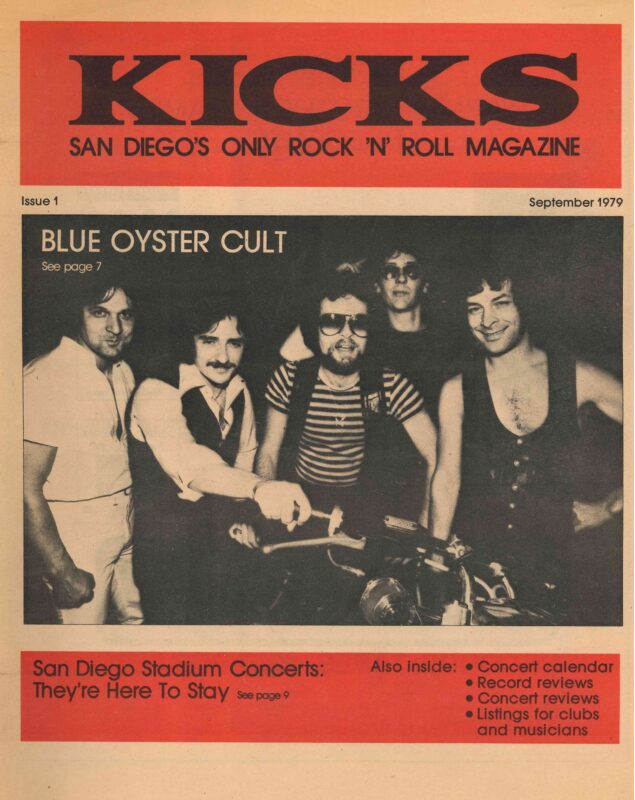 The third regional music magazine we’re featuring here is Kicks: San Diego’s Only Rock ‘n’ Roll Magazine. Kicks ran for 19 issues over 2 years and was founded and edited by Thomas K. Arnold and Albert Carrasco, both students at the time at San Diego State University. While still in high school, Arnold started writing a music column for his school newspaper, coinciding with the rise of punk and new wave music. In a 2015 interview, Arnold said, “Through my writing, I was able to get on PR lists for a number of different record companies. I still remember getting the first Ramones album in the mail and hearing the Stranglers for the first time…And then things started happening in San Diego…Hearing these wild sounds and seeing all of these people was a real awakening for me…it really started taking off in San Diego in the late ’70s. I saw a magazine called BAM – Bay Area Music up in San Francisco, and I decided that I could do this here in San Diego.” Kicks covered small local bands alongside bigger mainstream names such as Blue Oyster Cult, the Penetrators, Pat Benatar, Jefferson Starship, Black Sabbath, Devo, The Ramones, Gary Numan, the Firesign Theatre, Black Russian, and others. The issues are full of concert and record reviews, many of which were written by noted rock critic Steve Esmedina, who was known for his scathing reviews which panned Iggy Pop, Paul McCartney, Queen, and others. Issue 17 from January 1981 also features a full-page eulogy for John Lennon. (53423) $2,750
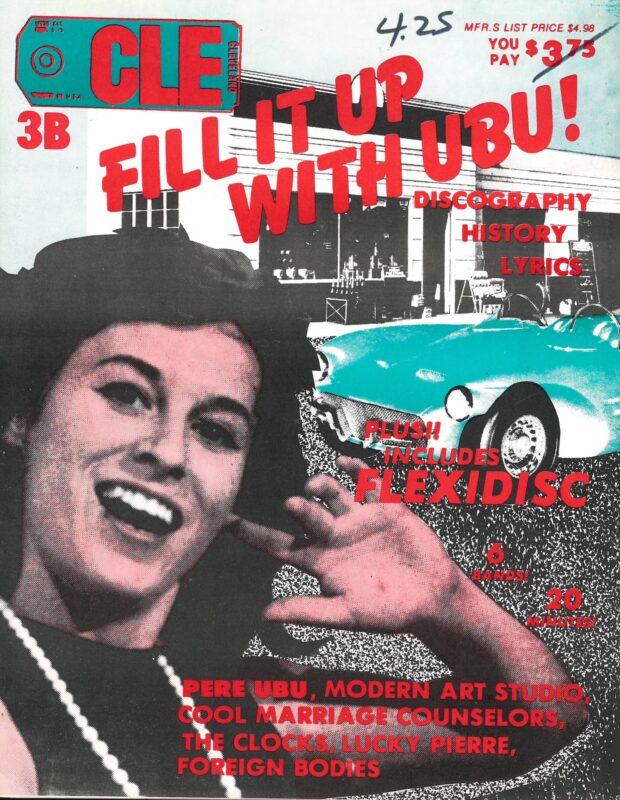
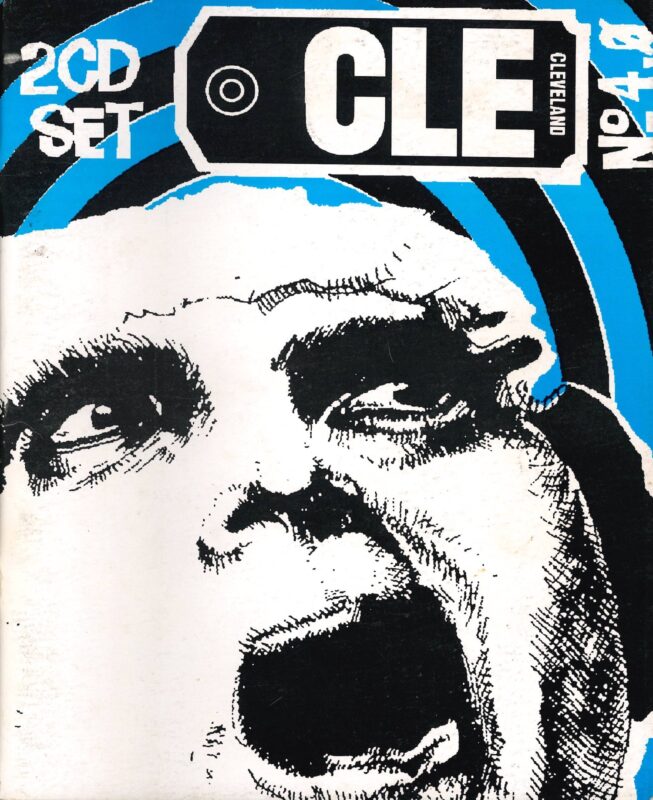
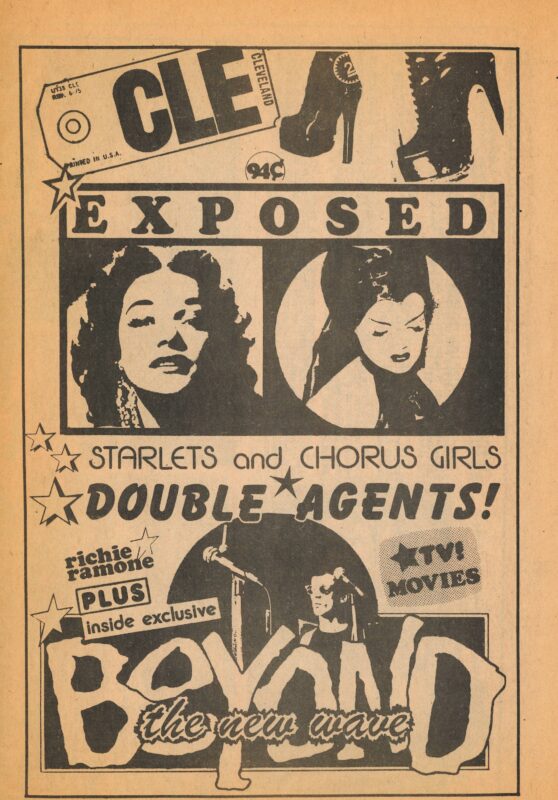 CLE was an irregularly-published and unconventional punk magazine out of Cleveland, which ran for only 8 issues over 20 years, including some CDs and one flexi-disc. The first 5 issues were published between 1977 and 1981, at which point the magazine took a 15-year hiatus before putting out the last three issues in 1996 and 1997. The magazine was founded and edited by Jim Ellis, a Cleveland-based musician and publisher. According to the website ClePunk.com, “No city’s formative punk years were complete without its own zine. In the truly underground happenings of the mid to late 70s, a local scene needed the kid who was into it enough to take and gather some photos, write some reviews, interview some bands, throw in some humor, and just as importantly have the strength to persevere and see it through to completion…Here in Cleveland it was CLE magazine.” Ellis had only planned on putting out a single issue, but people began to seek out the magazine and so he continued publishing. The issues contain features and interviews with bands such as Devo, the Electric Eels, The Residents, The Pagans, Throbbing Gristle, Urban Sax, The Outsiders, Johnny and the Dicks, The Wild Giraffes, Tin Huey, Pere Ubu, Destroy All Monsters, and others. They are accompanied by the original CDs and flexi-disc. (53424) $2,850
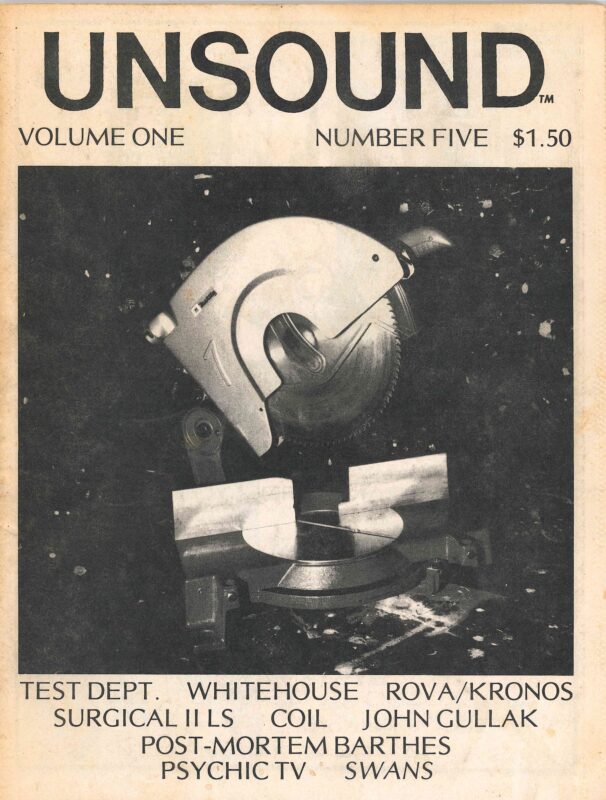
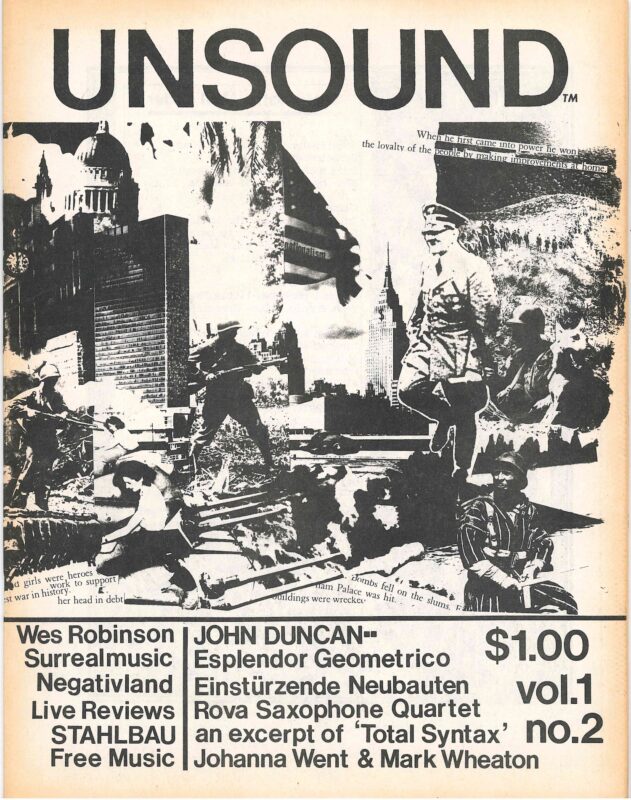
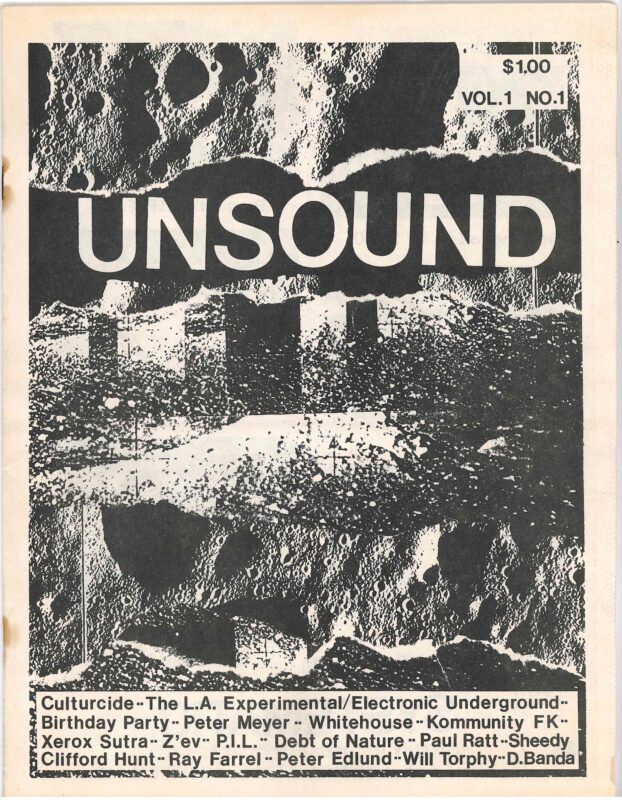 Unsound is a little bit different than the previous magazines. Published in the mid-1980s, this legendary Bay Area magazine focused on industrial sound art and experimental music. It was founded by William Davenport, a documentary filmmaker, writer, teacher, and member of the experimental noise band Problemist. According to an online article about the zine, Unsound “focused on the first wave of industrial music but covered a wide range of experimental, post-no wave music as well…Most of the issues of Unsound concentrated on artist interviews and cassette reviews, but a notable standout feature of the periodical was the detailed discographies of the artists covered therein – during a time of rampant EPs and tape-swapping, useful information indeed as well as hard to compile.” Unsound extensively documented the blurring boundaries between avant-garde performance and sound art, DIY home recordings, and the Industrial music scenes of North America and Europe during the mid-1980s. It was also an important networking tool, with sections devoted to radio, other zines, record stores, mail art, and reviews. Some of the artists featured included Sonic Youth, White House, Glenn Branca, Culturcide, Nurse With Wound, Psychic TV, Test Dept., David Tibet, Swans, and others. (53362) $2,500
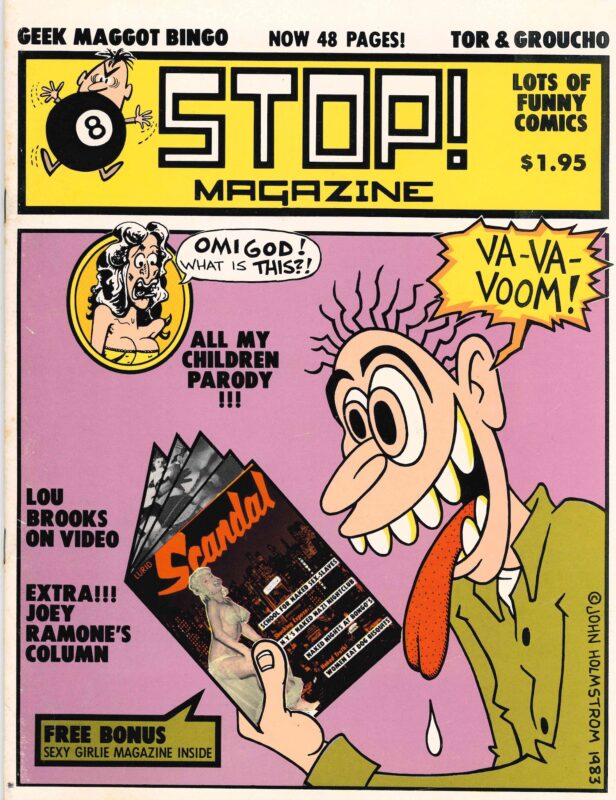
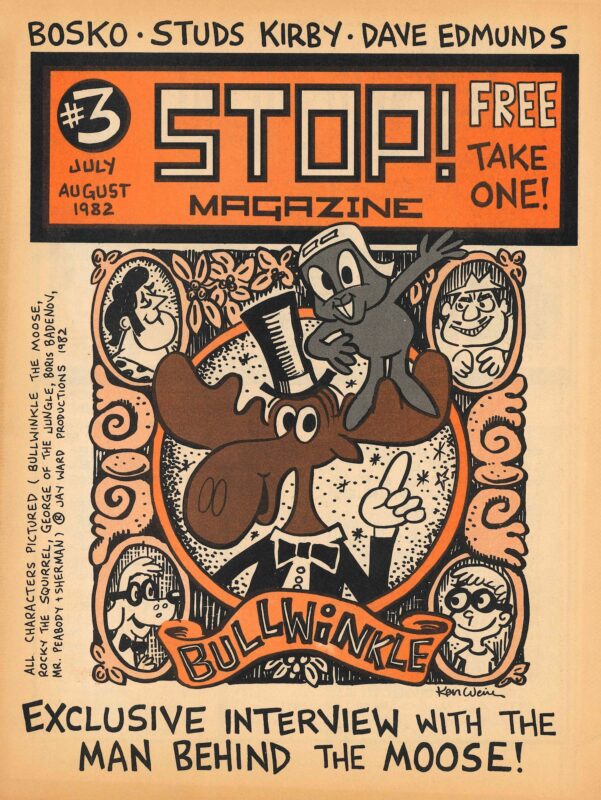
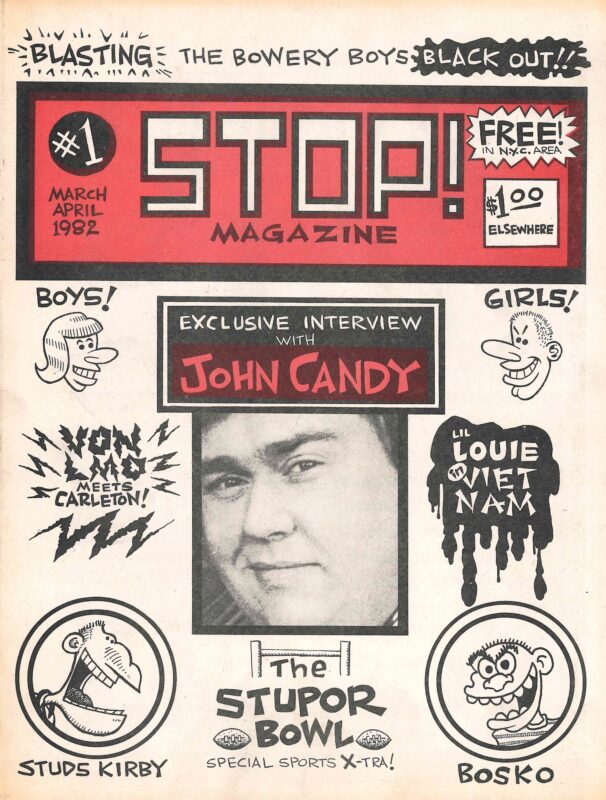 Stop was a punk and underground pop culture and humor magazine out of New York City, published in the early 1980s. Co-edited by former Punk publisher John Holmstrom and J.D. King, the magazine covered underground music, pop culture, and slapstick humor, with features such as satirical articles, interviews with icons such as John Candy, Joey Ramone, and Soupy Sales, and comics by several of the era’s defining underground comics artists. The magazine as a whole demonstrated New York punk’s affinity for slapstick comedy and shock humor. It ran for 9 issues over 3 years. (53393) $2,500
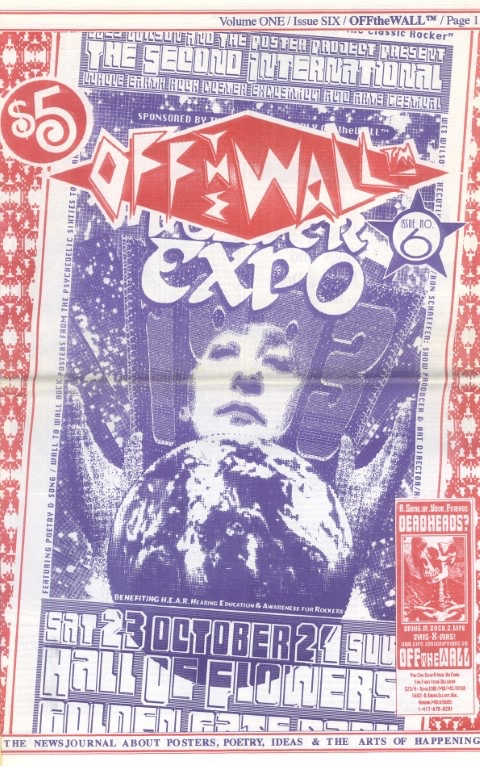
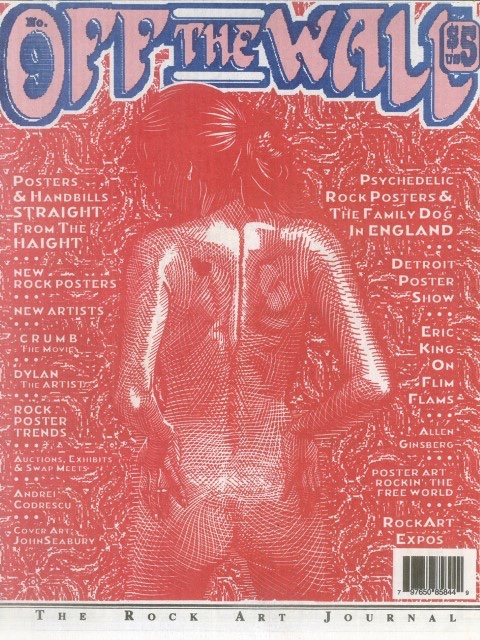
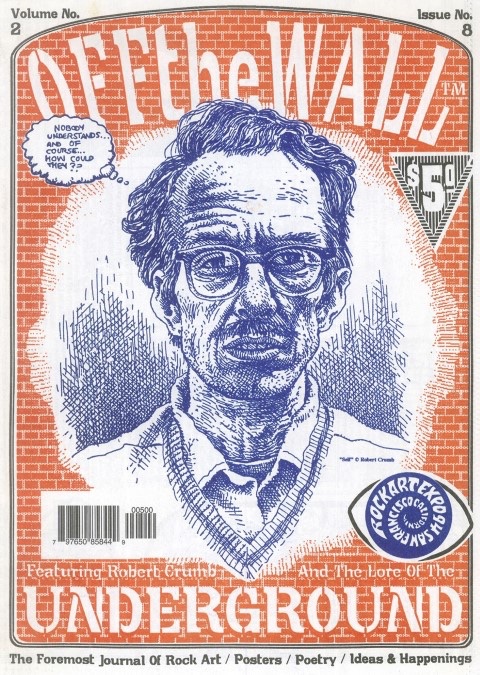 The last magazine in this collection is Off the Wall, an irregularly-published magazine dedicated to the art of psychedelic rock posters and underground comics. Over the four years of its publication, the magazine carried various subtitles, including “The Newsletter Journal for Event Posters and the Arts of Happenings” and “The Foremost Journal of Rock Art/Posters/Poetry/Ideas & Happenings”. The magazine was edited by noted American artist and psychedelic poster designer Wes Wilson, and the issues contained contributions from artists such as Robert Crumb, Andrei Codrescu, Eric King, Gary Grimshaw, Walter Medeiros, Ben Edmonds, John Platt, Dick Wentworth, and others. There are also reproductions of posters as well as original photographs and comics. The artwork was all executed in an experimental computer graphic page design. Off the Wall also provided a linkage between the left-wing political commitments of the psychedelic era and the more diffuse drug culture and music scenes of the nineties. (53411) $5,000
{ 0 comments }